
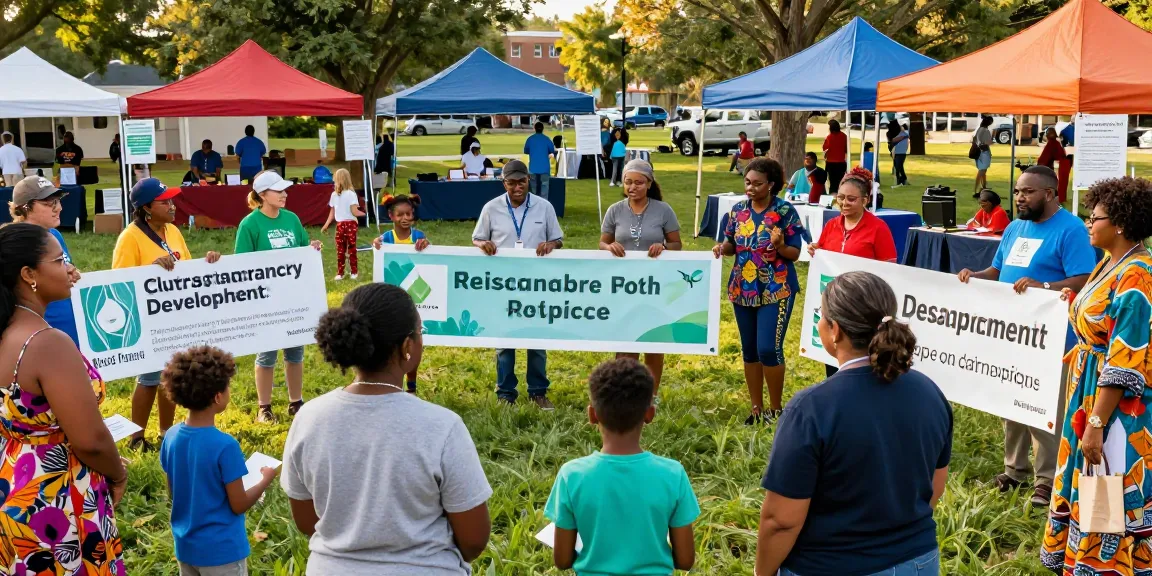
Understanding Rokok 88 and Its Importance
In the ever-evolving landscape of community engagement, the rokok 88 campaign stands as a beacon of hope for those seeking effective leadership and collective change. This initiative emphasizes the necessity of transparency, collaboration, and shared goals among community members. The essence behind rokok 88 is not merely about advocacy; it’s about inspiring individuals to partake in decisions that affect their futures. By fostering a culture of participation and accountability, the campaign encourages a united front for sustainable development and civic responsibility.
When exploring options, rokok 88 provides comprehensive insights that are crucial for forming an inclusive community leadership model. This effort aims to leverage local voices to promote initiatives that resonate on a broader scale, thereby addressing societal issues with innovative solutions.
What is Rokok 88?
ROKOK 88 is a community-led initiative that seeks to invigorate public discourse around leadership and governance. It aims to dismantle barriers that inhibit community participation and to re-establish trust in local leaders and policymakers. The campaign is built on the premise that lasting change is a collaborative effort rooted in the values and aspirations of local communities.
The Vision Behind Rokok 88 Campaign
The vision driving the rokok 88 campaign is centered around the belief that everyone deserves a voice in the matters that govern their lives. It promotes a model of leadership that is not only responsive but also responsible—one that prioritizes stakeholders’ needs and fosters an environment of inclusiveness and accountability. This forward-looking approach encourages individuals to see themselves as integral parts of the civic landscape, empowering them to contribute actively to discussions and initiatives.
Key Values Promoted by Rokok 88
- Transparency: Open communication and honesty form the backbone of effective leadership.
- Collaboration: Collective efforts lead to more significant, sustainable outcomes.
- Community Engagement: Involving citizens in the decision-making process enhances trust and accountability.
- Sustainability: Long-term solutions are prioritized over short-term gains, ensuring that future generations benefit.
Community Engagement: The Heart of Leadership
Community engagement is not merely an add-on; it is the cornerstone of effective leadership. The success of the rokok 88 campaign is a testament to the power of mobilizing citizens around shared goals and objectives. When community members are actively involved, it fosters a sense of ownership over local issues and enhances collaboration between leaders and constituents.
Importance of Community Support in Campaigns
Support from the community is vital for any campaign’s success. It validates the issues at hand and emphasizes the need for change. When individuals rally behind a cause, it amplifies their voices, making it harder for those in power to ignore or dismiss community concerns. This support also leads to increased visibility and advocacy, creating a ripple effect that can influence policy decisions.
Building Trust Through Transparency
Transparency is critical in cultivating trust. By keeping the lines of communication open, leaders can demystify their decision-making processes, allowing community members to see their intentions clearly. When citizens understand the rationale behind decisions, they are more likely to trust their leaders and engage meaningfully in the campaign.
Encouraging Active Participation from Citizens
Engagement strategies should be designed to encourage active participation. Whether through town hall meetings, surveys, or social media campaigns, leaders must create diverse avenues for individuals to share their perspectives and ideas. This active participation not only enriches the discourse but also nurtures a culture of inclusivity and belonging.
Strategies for Effective Community Leadership
To effectively lead a community, it’s essential to implement strategic initiatives that encourage participation and engagement. The following strategies can enhance the effectiveness of community leadership:
Developing Clear Communication Channels
Establishing clear and accessible communication channels is paramount. Leaders should leverage various platforms, including emails, social media, and community forums, to disseminate information and gather feedback. Consistent dialogue ensures that community members feel informed and valued.
Utilizing Social Media for Outreach and Support
Social media platforms serve as powerful tools for outreach. They allow leaders to connect with a broader audience, share their vision, and promote community events. Engaging with followers through regular updates and interactive content can stimulate interest and participation in local initiatives.
Case Studies: Successful Community Engagement Initiatives
Examining successful community engagement initiatives provides valuable insights into effective strategies. For instance, a recent program in a local urban area employed participatory budgeting, allowing residents to decide on funding allocations for community projects. This initiative not only enhanced civic engagement but also built trust between the community and local leaders.
Challenges and Misconceptions in Community Leadership
While community leadership is essential, it is not without its challenges. Misconceptions about the role of leaders can hinder progress and diminish community trust. Addressing these challenges head-on is crucial for fostering a more engaged citizenry.
Overcoming Distrust in Leadership
Overcoming distrust requires deliberate effort and commitment to transparency. Leaders must take proactive steps to rebuild trust by being accountable for their actions and creating opportunities for community involvement in decision-making processes. Listening to constituents and addressing their concerns is vital to restoring faith in leadership.
Addressing Common Misconceptions About Community Involvement
Many individuals may believe that their voices do not matter or that their involvement will not lead to meaningful change. Educational campaigns that highlight the impact of community engagement can reshape these misconceptions. By showcasing success stories and encouraging participation, leaders can motivate citizens to take action.
Strategies to Tackle Opposition and Skepticism
Opposition and skepticism are often natural responses to change. Leaders can combat these sentiments by fostering inclusive dialogues that address concerns while promoting the benefits of collective action. Building a coalition of supporters who advocate for the campaign can also help mitigate resistance.
The Future of Leadership: Trends for 2026 and Beyond
The landscape of community leadership is set to evolve significantly in the coming years. Predictions for 2026 suggest a shift towards even more inclusive and collaborative models of governance.
Emerging Leadership Models Focusing on Communities
Future leadership models will likely prioritize community-driven initiatives that place citizens at the forefront of decision-making. These models will integrate technology to enhance communication and transparency, fostering a more participatory environment.
Predicting the Evolution of Campaign Strategies
As communities become more interconnected, campaign strategies will evolve to harness the power of digital tools. Grassroots movements can leverage online platforms for mobilization and advocacy, leading to a more significant impact on policy change.
Preparing for Future Community-Centric Movements
To prepare for the future, leaders must cultivate a culture that embraces change and innovation. Investing in training and resources for community members will empower them to take initiatives into their own hands, resulting in a more resilient and engaged populace.
What is the significance of community support in campaigns?
Community support provides legitimacy and fuels the momentum of a campaign. It ensures that initiatives are reflective of the needs and voices of those they aim to serve.
How can transparency enhance leadership effectiveness?
Transparency builds trust, which is essential for effective leadership. When leaders communicate openly, it cultivates a sense of accountability and encourages citizen engagement.
What strategies can improve citizen participation?
Engaging citizens through various communication channels, utilizing social media, and addressing misconceptions about participation can significantly enhance involvement in community initiatives.
What are the common challenges faced by community leaders?
Community leaders often confront distrust, misconceptions about their roles, and resistance to change. Addressing these issues with transparency and open dialogue is crucial to overcoming these challenges.
How is community leadership expected to evolve in 2026?
Community leadership is expected to evolve toward more participatory and collaborative models, leveraging technology to enhance engagement and inclusion. This shift will empower citizens and foster a more dynamic civic landscape.


