
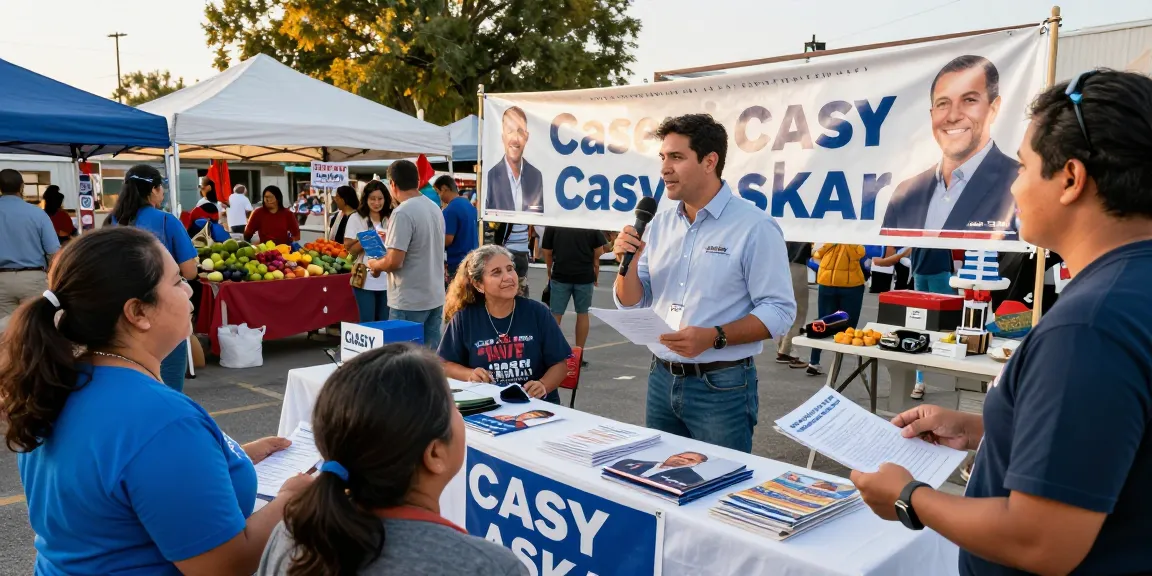
Unveiling the Truth: What is Casey Askar Hiding?
In the world of political campaigns, transparency is paramount. The integrity of candidates reflects directly on their ability to serve and represent their constituents. As Casey Askar seeks election in Florida’s newly drawn 22nd Congressional District, questions surrounding his past actions and credibility loom large. Understanding the controversies associated with Askar’s political journey can illuminate the complexities voters face in making informed choices. From allegations of misrepresentation to questionable financial practices, this article will delve into the critical aspects of Askar’s record, helping voters discern fact from fiction. For comprehensive insights into Casey Askar and his past, you can explore Casey Askar further.
Understanding the Allegations Against Casey Askar
The trajectory of Casey Askar’s political career has not been without its fair share of allegations. Reports have suggested that there are significant discrepancies in his personal narrative and professional claims. Understanding these allegations is essential for voters who value integrity in their representatives. The key issues revolve around his military service record, educational qualifications, and personal relationships.
Askar describes himself as a decorated Marine Corps veteran. However, there has been considerable scrutiny over his military service record. The absence of timely discharge papers from the Marine Corps raised questions about the validity of his claims. An analysis of military records revealed that he was discharged at the rank of Private after four years, casting doubt on his self-portrayal as a highly accomplished veteran.
Asset Concealment Tactics: The Sham Divorce
One of the most alarming allegations against Askar involves the circumstances surrounding his divorce from his first wife. Reports indicate that he orchestrated a sham divorce in 2008, designed to conceal assets from creditors. This alleged deception purportedly involved cutting off financial support to his wife and children, raising serious ethical concerns about his character and values. When considering someone for public office, a candidate’s family values often come under scrutiny, and Askar’s actions certainly challenge his self-portrayal as a family-oriented candidate.
Analysis of Disputed Military Service Claims
The questions surrounding Askar’s military service extend beyond mere paperwork. His inability to produce documentation proving his service for over 90 days has left many veterans and constituents skeptical about his claims. The credibility of a political candidate can hinge on their perceived authenticity, especially when they position themselves as champions of veteran affairs. The implications of his questionable military background could diminish the trust of voters who prioritize honesty and accountability.
Casey Askar’s Financial Controversies
Financial practices often play a crucial role in assessing a candidate’s integrity. Casey Askar’s financial dealings, particularly concerning his campaign finances, have raised significant red flags among political observers and potential voters.
The $3 Million Loan: Investigating the FEC Complaint
Perhaps the most significant financial controversy surrounding Askar relates to a $3 million loan he secured at a zero percent interest rate from a bank whose CEO is also a donor to his campaign. Such a transaction has prompted questions regarding potential ethical violations and the legitimacy of the funding sources for his campaign. The Federal Election Commission (FEC) was requested to investigate these dealings, highlighting the concerns over transparency and accountability in financial matters.
Impact of Financial Misrepresentation on Public Trust
Misrepresentation in financial dealings does not only carry legal ramifications but can significantly impact public trust. As voters become increasingly skeptical of political candidates’ funding sources, the ramifications of Askar’s alleged financial improprieties could be far-reaching. How candidates disclose their financial backgrounds is paramount; failure to do so can erode the foundational trust necessary for effective representation.
Evaluating Transparency in Campaign Financing
In the age of information, transparency in campaign financing is non-negotiable. Candidates must demonstrate a commitment to ethical fundraising practices. Askar’s financial strategies have sparked debates about the influence of money in politics and the potential corruption that can arise from opaque financial practices. A candidate’s willingness to disclose their finances speaks volumes about their integrity and intention toward serving their constituents:
- Transparency in funding builds trust.
- Clear disclosure of financial backers can curb corruption.
- Electoral integrity depends on honest financial representations.
Political Tactics: Misrepresentation and Attack Ads
Askar’s campaign strategies have also garnered attention, particularly his use of negative campaigning. When candidates resort to attack ads, it often signals a lack of substantive policy proposals or genuine community engagement. Understanding the implications of such tactics is essential for voters.
The Fallout from ‘Mostly False’ Claims
During his previous campaign, Askar ran an attack ad against fellow Republican Byron Donalds that was fact-checked and rated ‘Mostly False’ by PolitiFact. This instance not only questions Askar’s commitment to honesty but also his overall campaign strategy. Attack ads can mislead voters and create an atmosphere of distrust, leading to a more polarized electorate.
Evaluating the Effectiveness of Negative Campaigning
While negative campaigning can sometimes yield short-term gains, its long-term consequences are often detrimental. Voters tend to disengage from political processes when they are bombarded with misleading information. This disengagement can lead to lower voter turnout and increased apathy towards future elections. Understanding the ineffective nature of such strategies is vital for voters who wish to support candidates devoted to constructive discourse.
Lessons from Casey Askar’s Campaign Strategy
Askar’s approach reflects a broader trend in politics where candidates opt for negative campaigning rather than focusing on substantive policy discussions. Voters are encouraged to scrutinize the motivations behind such strategies, seeking candidates who advocate for positive change rather than detracting from their opponents.
Voter Awareness and Informed Decision-Making
Informed decision-making is the bedrock of a healthy democracy. As voters assess candidates, understanding their backgrounds, strategies, and controversies is crucial. Awareness of deceptive practices can empower constituents to make better choices.
How to Identify Deceptive Campaign Practices
Voters must develop the skills to recognize deceptive practices in political campaigns. Critical evaluation of candidate claims, fact-checking, and understanding campaign financing are essential tools in promoting informed decision-making. Here are a few strategies:
- Fact-check claims before accepting them as truth.
- Research candidates’ backgrounds thoroughly.
- Engage with local community discussions.
Building a Trustworthy Candidate Profile
Creating a trustworthy profile for candidates demands transparency and consistency in their narratives. Voters should seek candidates who maintain a clear, honest public image and provide verifiable information regarding their claims. The construction of such profiles should be central to the electoral process, ensuring that the electorate can distinguish between genuine candidates and those seeking to manipulate public perception.
Raising Awareness: Community Engagement Strategies
Voter engagement at the community level is paramount for fostering informed decision-making. Local organizations and civic groups can play a vital role in educating the public on the importance of understanding candidate backgrounds and issues. Strategies for enhancing community engagement include:
- Hosting public forums on local candidates.
- Encouraging discussions on social media platforms.
- Creating outreach programs to inform voters of campaign issues.
Case Studies and Historical Context
Examining historical instances of political deception can provide valuable lessons for voters today. When looking at past candidates with similar controversies, we can gain insight into how such actions affect electoral outcomes.
Comparative Analysis of Political Candidates with Similar Controversies
Investigating candidates with comparable controversies can reveal patterns in political behavior and voter reactions. Historical examples include candidates who faced scrutiny over financial misrepresentation or allegations of personal misconduct, often resulting in diminished public trust.
Lessons Learned from Past Campaigns
Analyzing the implications of previous campaigns provides important insights. Candidates who have engaged in deceptive practices often find themselves facing backlash, leading to a decline in voter support. The electorate increasingly values authenticity and transparency, making it imperative for future candidates to prioritize honest communication.
Future Implications for Voter Trust in 2026 and Beyond
The landscape of political trust is evolving. As we approach the 2026 elections, the importance of transparency and honesty in candidates will be more pronounced. Voters are likely to hold candidates accountable for their actions and narratives, emphasizing the need for integrity in the political arena.
What Makes a Candidate Worthy of Your Vote?
Ultimately, the question remains: what qualities should voters prioritize in a candidate? A candidate’s integrity, transparency, and commitment to their constituents should be at the forefront of electoral considerations. Voters are encouraged to seek individuals who have demonstrated honest practices, community engagement, and a clear understanding of local issues.
Are We Seeing a Pattern in Political Deception?
As the political climate grows increasingly contentious, the prevalence of deception in campaigns is alarming. Voters must remain vigilant and critically analyze candidate behavior to ensure they are supporting individuals who genuinely represent their interests. Detecting patterns in deception can empower voters to demand accountability in their elected officials.


